




6 Ways to Wash Your Hair Perfectly: Stop Hair Fall and Damage
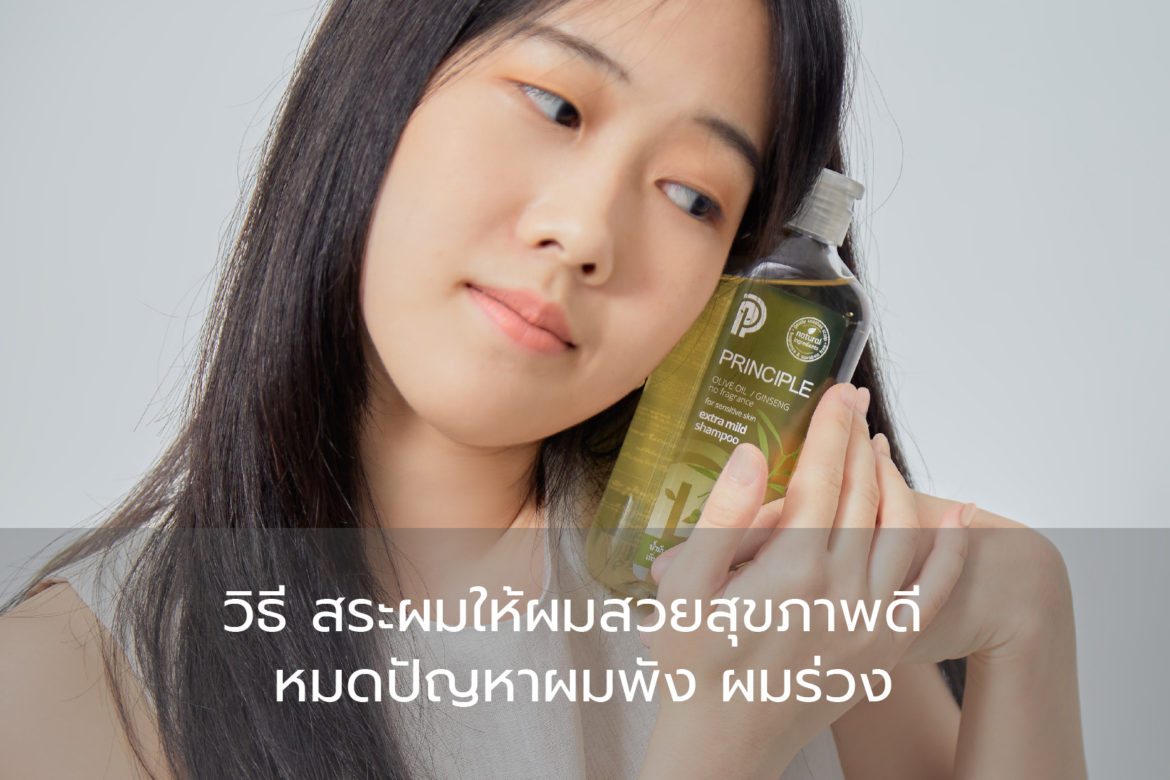
The ultimate hair washing guide for beautiful, healthy hair without the breakout or breakage.
Ever noticed the water barely draining after a shower because your hair is clogging the pipes?
It is a universal struggle we face every single day. From hair fall and dryness to frizz and dandruff—the list goes on and on! We try every highly-rated shampoo and buy every trending treatment cream, but what are the results? The problems never seem to fully disappear.
The fix might be simpler than you think. Just by changing your daily washing routine, you can easily achieve beautiful, healthy hair.
Here are 6 simple hair-washing tips everyone should try. Let’s dive in!
- Always Brush or Detangle Your Hair Before Washing
Start your hair-loss solution with a simple step: brush your hair first!
The very first thing everyone should remember to do before jumping into the shower is to brush or detangle your hair. Picking up a brush to comb through your hair before every wash helps loosen and remove the dust, dirt, and pollution your scalp and hair accumulated throughout the day. Additionally, brushing or detangling beforehand prevents your hair from knotting up while wet, which significantly reduces hair breakage and shedding during your wash.
- Rinse Your Hair with Water Before Applying Shampoo
Rinsing your scalp and hair with clean water first can wash away up to 80% of dust and dirt.
Once you have finished brushing, always thoroughly rinse your hair with plain water before applying any shampoo. This rinsing step removes a massive amount of surface dirt trapped on your scalp and strands, while perfectly prepping them for the shampooing process. Keep in mind that a proper rinse does not mean just getting your hair slightly damp. You need to rinse intentionally—drenching your entire scalp and hair from root to tip, as if you are washing your hair with water alone!
The temperature of the water matters based on your scalp type:
- For dry scalps: Avoid warm or hot water entirely. Use cool or room-temperature water instead. Rinsing or washing with warm water strips away natural oils, leaving your scalp even drier, which triggers itching and subsequent dandruff.
- For oily scalps: Using lukewarm water is highly beneficial. It gently opens up the pores on your scalp, making it much easier to loosen and wash away stubborn grease, buildup, and pollutants clinging to your hair.
- Pour Shampoo into Your Hands and Create a Lather First
Now, let’s move into the deep-cleansing phase for your scalp and hair. If you have a habit of squeezing shampoo directly onto your scalp, or pouring it onto your hands and immediately slapping it onto your head to scrub up a lather—stop right there! Doing this is a massive mistake. You should change or break this habit immediately, as intense friction on concentrated areas can easily trigger severe hair breakage and loss.
The correct method is to pour the shampoo into your palms and work it into a rich lather right in your hands first. Rub your hands together in circular motions until foam builds up, and only then apply it gently to your scalp and strands. If you find it difficult to get a good lather, you can use a foaming mesh net as a shortcut. It creates an even thicker foam than just rubbing your hands together!
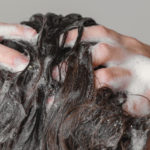
Once you have applied that beautifully whipped shampoo lather to your head, your instinct might be to scratch, scratch, and scratch your scalp. The harder you scratch, the more satisfying it feels—just like when you get your hair done at a salon! We all know that classic question from the hair stylist: “Would you like me to scratch your scalp?” As professional scratch-lovers, we confidently reply without hesitation: “Yes, please!” We assume that the harder they scratch, the cleaner our head becomes.
However, this is a major misconception and something you should absolutely avoid! Aggressive scratching severely damages your scalp and hair. It triggers scalp inflammation, leading to redness, flaking, or even painful micro-wounds—which ultimately cause heavy hair shedding and loss.
The correct approach is to gently massage or knead your scalp. Use the pads of all 10 fingers to make slow, circular motions across your head. Do not rush this process; give it a little time. Not only does this gentle massage effectively break down excess scalp sebum and wash away dirt, but it also stimulates blood circulation. This increased blood flow boosts healthy hair growth and ensures your roots stay strong and resilient against fallout!
- Apply Conditioner or Treatment Only to the Ends of Your Hair

Many people still do not know the correct and most effective way to use hair conditioner or deep treatments. Conditioning is a vital step to replenish moisture, reduce tangles, and prevent hair breakage. However, if you do not use it correctly, it can end up damaging your scalp and hair instead of helping them!
The proper way to apply conditioner is to avoid slathering it heavily on your hair roots and scalp under the misconception that it will provide better nourishment and softness. Instead, you should massage it exclusively onto the middle and ends of your hair. Avoid using an excessive amount of product, as it can leave a stubborn residue. If conditioner is not rinsed out completely, it negatively impacts your scalp and hair health.
Most importantly, be careful not to let the conditioner touch your roots or scalp—both while massaging it in and while rinsing it out. Letting conditioner contact the scalp does not make your hair look shinier or more elegant. Instead, it introduces excess oils directly to the scalp and roots. This triggers greasiness, a sticky feeling, and flat, lifeless hair, forcing some people to wash their hair twice a day!
Extra Pro-Tip!
Before applying your conditioner, make sure you have thoroughly rinsed out all the shampoo. Then, gently wring out your hair to remove excess water before smoothing the conditioner onto your ends. Leave it on for 5–10 minutes (if you are using a deep treatment mask, aim for 10–20 minutes). Once the time is up, rinse the conditioner out with cool water to seal the hair cuticles and scalp pores that opened up during washing! This simple trick locks in moisture, leaving your hair incredibly soft and smooth to the touch.
5. Rinse Thoroughly with Clean Water
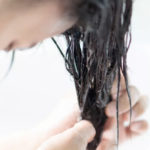
Tilt your head forward and rinse thoroughly with water, starting from the nape of your neck downward.
We have almost reached the final step! When it comes to rinsing away shampoo lather and conditioner, most people generally use one of two methods: 1. Tilting the head backward, letting the water flow down the face and body, or 2. Tilting the head forward, rinsing with water from the nape of the neck upward.
The correct and most effective method is the second one: tilting your head forward and rinsing from the nape of your neck up to the top of your head (rinsing against the natural direction of hair growth). This is because leftover shampoo naturally accumulates heavily at the nape of the neck. You should rinse your entire scalp thoroughly for at least 2 minutes, or until all foam is completely gone. Take your time during this final rinse and ensure no product residue is left behind. Any lingering shampoo can build up on your scalp and hair strands, triggering allergies, severe itching, flaking, and hair loss.Tilting the head backward while rinsing shampoo causes buildup at the nape and risks improper cleaning of the inner hair layers. Furthermore, runoff can trigger facial acne and back acne, while using cool water is recommended to seal cuticles and enhance shine.
- Blow-Dry Your Hair with Cool Air
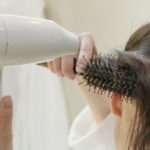
After successfully completing all the washing steps, the final stage—which is just as important as the rest—is to dry your hair completely! You must get your hair fully dry, whether you use a fan, a blow-dryer, or both at the same time. Go all out and make sure it is dry within 5 minutes after stepping out of the shower.
If you leave it wet for too long, wrap it up in a damp towel, or just wait for it to air-dry naturally, fungi and bacteria will come knocking at your door! Fungi and bacteria thrive in moist environments, growing rapidly on the scalp and causing severe inflammation. You will easily notice your scalp changing from normal to covered in patchy, red spots, accompanied by allergies, intense itching, and dandruff flare-ups.
Achieving healthier hair and reducing fall requires consistent, gentle daily routines—such as proper brushing, washing, and drying techniques—to promote scalp health and prevent breakage. To complement these habits, Principle offers a range of natural, chemical-free, and SLS-free products, including the Chili Shampoo (Extra Treatment) for strengthening roots and the Extra Mild Shampoo for sensitive skin. Explore the full range of natural solutions for stronger, more resilient hair at the Principle website.
